


You’ve just crushed your workout—whether it was a heavy leg day, a high-intensity interval session, or a long run. Now comes the most important part: recovery. What you eat in the minutes and hours after exercise directly impacts how quickly your muscles repair, how sore you feel tomorrow, and how well you perform in your next session. Post-workout foods are the fuel your body craves to rebuild stronger.
But not all recovery snacks are created equal. One of the biggest Nutrition Mistakes people make is choosing foods that lack the right balance of nutrients after a workout. The right combination of protein, carbohydrates, and healthy fats can make the difference between sluggish recovery and bouncing back stronger. Let’s dive into the best science-backed foods to speed up muscle repair and get you back to crushing your goals.
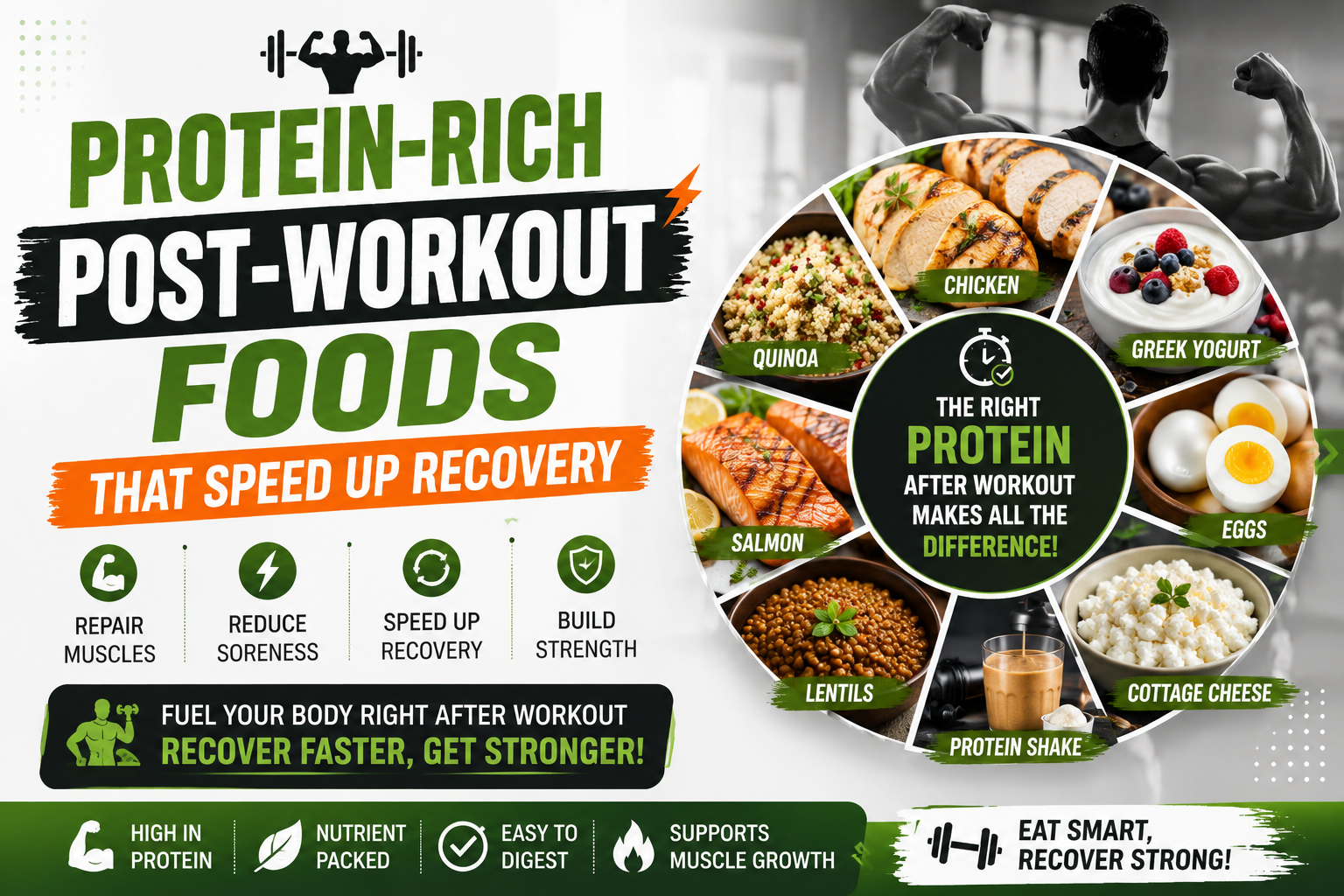
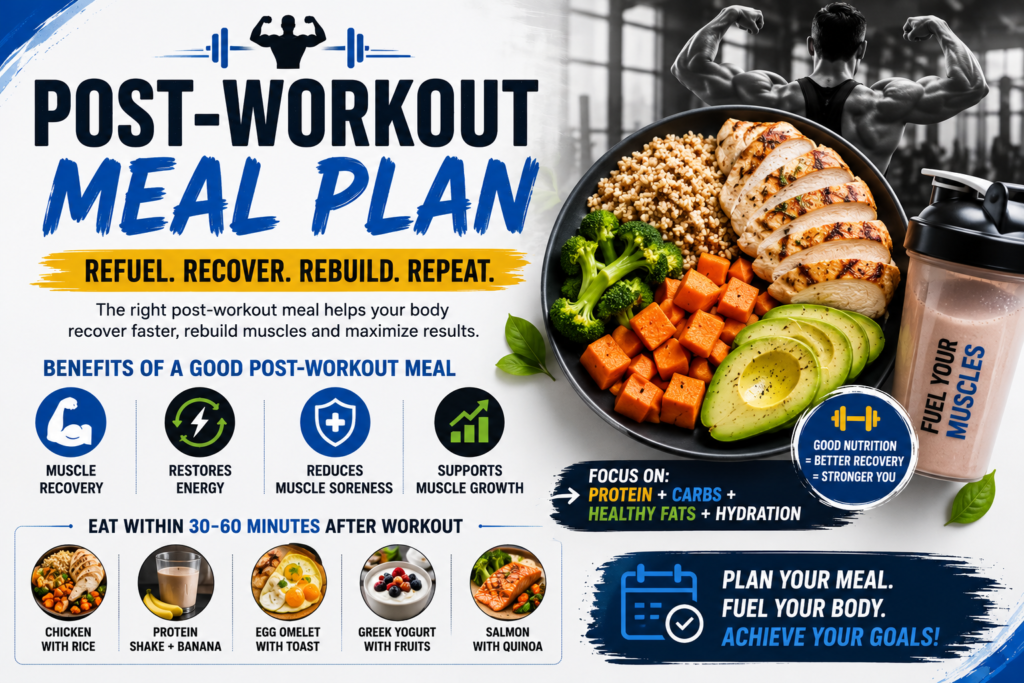
The best post-workout recovery foods combine high-quality protein (15–30 grams) with fast-digesting carbohydrates to repair muscle tissue and replenish energy stores . Top choices include Greek yogurt with fruit, whey protein smoothies, lean chicken breast, eggs on toast, and salmon. Aim to eat within 30–60 minutes after finishing your workout for optimal results .
Why Post-Workout Nutrition Matters
Exercise triggers micro-tears in muscle fibers—this is a natural part of getting stronger . But for those tears to repair and rebuild into stronger tissue, your body needs specific nutrients. Protein provides the amino acids required for muscle protein synthesis, while carbohydrates restore glycogen stores depleted during exercise .
Skipping post-workout nutrition can lead to prolonged soreness, slower recovery, and even muscle breakdown. The right foods, however, reduce inflammation, support immune function, and prepare your body for the next challenge. Including Healthy Fats for Women as part of a balanced post-workout meal can further support hormone health, aid nutrient absorption, and promote faster recovery while maintaining overall wellness.
Top Protein-Packed Foods for Faster Recovery
1. Greek Yogurt
Greek yogurt is a standout choice, delivering up to 20 grams of high-quality protein per serving. It contains both whey (fast-digesting) and casein (slow-digesting) proteins, providing immediate and sustained amino acid release to muscles . Sports dietitians consistently rank it as their top post-workout snack . Add berries for extra carbs and antioxidants to enhance recovery .
2. Lean Meats: Chicken, Turkey, and Beef
Lean animal proteins are complete protein sources, meaning they contain all essential amino acids your muscles need. A 3-ounce serving of chicken breast delivers 26 grams of protein . Beef goes a step further—it provides creatine for energy, carnosine to reduce muscle tiredness, and L-carnitine to preserve glycogen stores . Turkey offers similar benefits with 26 grams of protein per serving .
3. Fish (Especially Salmon)
Fish like salmon, tuna, and cod deliver 17–20 grams of protein per serving, making them an excellent choice for post-workout nutrition. While many people focus on a Caffeine Free Pre Workout for sustained energy before exercise, recovery is just as important. Salmon’s superpower is its omega-3 fatty acids, which have powerful anti-inflammatory effects that reduce muscle soreness and support quicker recovery. Omega-3s also support brain health and mental clarity, helping you stay focused and perform better throughout your training routine.
4. Eggs
Each large egg provides 6 grams of complete protein, plus vitamin D and essential amino acids . Research shows that consuming whole eggs after resistance training leads to greater muscle growth than egg whites alone—the yolk contains over 40% of the egg’s total protein and essential fatty acids that aid absorption .
5. Cottage Cheese
This budget-friendly dairy option delivers 12 grams of protein per half-cup serving . Rich in casein protein, it digests slowly, making it ideal for sustained muscle repair. Top with fruit for an energizing carb boost .
6. Plant-Based Options
For plant-based athletes, soy products (tofu, edamame, tempeh) provide 16 grams of protein per half-cup and are comparable to whey protein for muscle building . Hemp seeds offer 9.5 grams of protein per serving, along with zinc, iron, and magnesium—all critical for recovery and performance . Lentils (9 grams per half-cup) pair well with rice for a complete amino acid profile .
Perfect Post-Workout Combinations
The magic happens when you pair protein with carbohydrates. Here are dietitian-approved combinations:
- Greek yogurt + berries + honey: Creamy, sweet, and packed with protein, carbs, and antioxidants
- Whey protein smoothie + banana + frozen cherries: Fast-absorbing protein with glycogen-replenishing fruit
- Egg on wholegrain toast + Vegemite: Complete protein with complex carbs and sodium for electrolyte replacement
- Tuna + rice or crackers: Lean protein with quick-digesting carbs for rapid refueling
- Low-fat chocolate milk: The classic 3:1 carb-to-protein ratio in a convenient drink
What to Avoid
While focusing on quality protein and carbs, be mindful of excessive fats and calories right after your workout. Too much fat slows digestion, delaying nutrient delivery to muscles. Avoid fried foods, heavy creams, and ultra-processed snacks. Also, not all carbs are equal—choose whole wheat toast over doughnuts, and fresh fruit over sugary treats. Making these healthier post-workout food choices not only supports muscle recovery but can also help you achieve your Weight Loss in a Month goals when combined with regular exercise and a balanced diet.
Timing Is Everything
The “anabolic window” refers to the 30–60 minutes after exercise when your muscles are most receptive to nutrients . Consuming protein and carbohydrates within this window maximizes muscle protein synthesis and glycogen replenishment. A snack of around 150 calories with a 3:1 carb-to-protein ratio works well for shorter workouts, while longer sessions may require a full balanced meal .
Example Post-Workout Meal Plan
Within 30 minutes (snack): Greek yogurt parfait with berries and a drizzle of honey.
Within 90 minutes (meal): Grilled chicken breast with sweet potato and steamed greens, or salmon with quinoa and roasted vegetables.
Use These Strategies for Better Recovery
- Hydrate properly: Drink 20–24 ounces of water for every pound lost during exercise .
- Aim for 15–30g protein: This range optimizes muscle protein synthesis post-workout .
- Don’t skip carbs: Carbs are essential for restoring glycogen and aiding protein absorption .
- Plan ahead: Keep portable snacks like protein bars, beef jerky, or pre-made shakes ready for busy days .
- Listen to your body: Adjust portions based on workout intensity and personal hunger cues.
FAQ Section
Q: How soon after a workout should I eat?
A: Aim to eat within 30–60 minutes after finishing your workout to maximize muscle repair and glycogen replenishment .
Q: How much protein do I need post-workout?
A: Aim for 15–30 grams of protein within your post-workout meal or snack . For active individuals, a daily target of 1.6 grams per kilogram of body weight is recommended .
Q: Can I just drink a protein shake?
A: Yes, protein shakes are convenient and effective. However, adding carbohydrates (like fruit or oats) enhances recovery by restoring glycogen stores .
Q: Are plant-based proteins as effective as animal proteins?
A: Yes. Soy protein, in particular, has been shown to be as effective as whey for muscle building . Combining plant proteins like lentils with rice ensures a complete amino acid profile .
Q: Is chocolate milk a good post-workout drink?
A: Yes! Low-fat chocolate milk provides an ideal 3:1 carb-to-protein ratio plus fluids and electrolytes for rehydration .
Conclusion
Fueling your body with the right post-workout foods is not an afterthought—it’s a critical part of your training. By choosing high-quality proteins like Greek yogurt, lean meats, fish, eggs, and plant-based options, and pairing them with smart carbohydrates, you’ll recover faster, reduce soreness, and build lean muscle more effectively. For even better recovery and overall wellness, many people also include Immune Boosting Supplements as part of a balanced nutrition plan to support their body’s natural defenses while maintaining an active lifestyle.

