
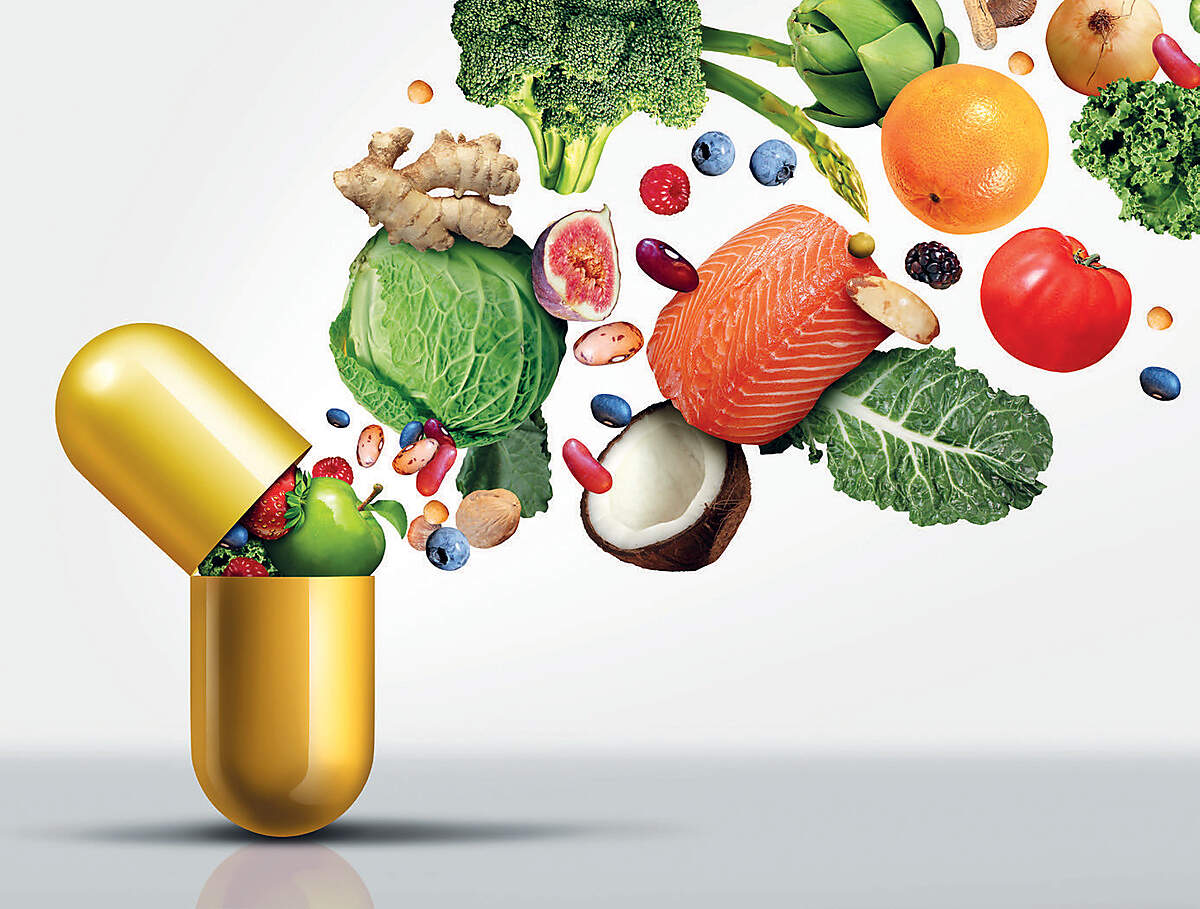
Hard training, long cuts and short nights can leave you feeling run down. That’s when a shelf full of “immune boosters” starts to look tempting. Some of them have real evidence behind them. Many don’t, and a few can cause problems if you take too much.
This guide sorts them into three groups: supplements worth taking daily if you’re low, ones to use only when a cold starts, and ones you can mostly skip. Supplements also don’t need FDA approval before they’re sold, so it covers how to pick a safe product too.
This article is general information, not medical advice. Check with your doctor before starting supplements, especially if you take prescription medication.
Quick answer
- Worth considering daily: vitamin D (if your levels are low), vitamin C (during hard training blocks), and a basic multivitamin if your diet has gaps.
- Use when a cold starts: zinc lozenges, and possibly elderberry.
- Weak evidence for immunity: echinacea, garlic, turmeric and omega-3s. Some have other benefits, but “immune boosting” isn’t a proven one.
Supplements worth taking daily
Vitamin C, especially for hard training
For most people, taking vitamin C every day doesn’t prevent colds. It may shorten them slightly. Lifters are a different case, though. In trials with marathon runners, skiers and soldiers under extreme physical stress, 250 mg to 1 g of vitamin C a day cut the number of colds by about 50%.
- Daily needs: 90 mg for men and 75 mg for women. Smokers need 35 mg more.
- Upper limit: 2,000 mg a day. Above that, you’re more likely to get an upset stomach and diarrhea.
- Food first: one red bell pepper or a cup of strawberries covers most of your daily needs.
Vitamin D, if you’re low
Many Americans get less vitamin D than they need, especially in winter or if they train indoors. Some research suggests taking it may lower the risk of respiratory infections, mostly in people who were deficient.
- Daily needs: 600 IU for adults up to 70, and 800 IU after that.
- Upper limit: 4,000 IU a day, unless your doctor prescribes more.
- Best approach: ask your doctor for a blood test before you take high doses. Take it with a meal that has some fat in it.
A basic multivitamin
A multivitamin won’t make you sick-proof, but it covers gaps if you’re cutting calories or eat the same few foods every day. Check the label so you don’t double up: if your multivitamin already has zinc and vitamin D, adjust any separate supplements. Read more in our guide to multivitamin powders.
Supplements to use when a cold starts
Zinc lozenges
Studies of zinc lozenges or syrup taken early in a cold found they can shorten it, though they don’t seem to make symptoms milder. Zinc taken every day as a “booster” is a different story.
- Daily needs: 11 mg for men and 8 mg for women.
- Upper limit: 40 mg a day. Taking more for a long time can cause copper deficiency.
- Skip zinc nasal sprays. They’ve been linked to a lasting loss of smell.
- Food sources: oysters, beef and pumpkin seeds.
Elderberry
A few small studies suggest elderberry may ease flu and cold symptoms, but the research is limited. The FDA and FTC have acted against companies that made unsupported claims about it.
- Safety: raw or unripe elderberries, and the plant’s leaves and stems, are poisonous. Only use cooked, commercially prepared products.
Supplements with weak evidence for immunity
Echinacea. Studies on colds are mixed, and any benefit appears small. People allergic to ragweed may react to it.
Garlic. There’s no strong evidence that it prevents colds. Garlic supplements may lower blood pressure and cholesterol slightly, but they can increase bleeding risk if you take blood thinners.
Turmeric (curcumin). NCCIH says there isn’t enough evidence that it helps with any health condition. High-absorption formulas, including those with black pepper extract, may harm the liver.
Omega-3s. They’re worth taking for heart health if you don’t eat fish, but there’s no good evidence they boost immunity.
Probiotics. Some strains may slightly reduce respiratory infections, but the effects depend on the exact strain, and the research is still early. Yogurt and kefir are easy, cheap places to start.
How to choose a safe supplement
Supplements don’t go through FDA approval before they hit the shelves, so what’s on the label isn’t guaranteed to be what’s in the bottle.
- Look for a third-party seal. USP Verified or NSF Contents Certified mean the product was tested to contain what the label says.
- If you compete in a tested federation, choose NSF Certified for Sport. Products with that seal are also screened for banned substances.
- Avoid big promises. Skip anything that claims to “cure,” “prevent” or “supercharge” your immune system.
For more on spotting safe products, see our safe bodybuilding supplements guide.
Habits that matter more than any pill
Supplements only fill gaps. The basics do most of the work:
- Sleep at least 7 hours. Our night habits for better morning workouts can help.
- Eat enough during a cut. Very aggressive dieting combined with hard training wears down your recovery.
- Stay hydrated. Drink enough that your urine stays pale yellow. See the benefits of drinking water.
- Build a daily routine. Here are more daily habits to support your immune system.
FAQ
What is the best supplement for the immune system?
No single supplement works for everyone. Vitamin D helps most if you’re deficient. Vitamin C has the best evidence for people under heavy physical stress, and zinc lozenges can shorten a cold if you take them early.
Can you take vitamin C and zinc together?
Yes. Just keep zinc from all sources, including your multivitamin, under 40 mg a day.
How much vitamin C should a bodybuilder take?
The trials with athletes used 250 mg to 1 g a day. Stay under the 2,000 mg upper limit.
Do immune supplements work right away?
Zinc lozenges need to be started within the first day or so of a cold. Vitamin D and vitamin C work over weeks, not hours.
Sources: NIH ODS: Vitamin C, NIH ODS: Vitamin D, NIH ODS: Zinc, NIH ODS: Omega-3s, NCCIH: Elderberry, NCCIH: Echinacea, NCCIH: Garlic, NCCIH: Turmeric, NCCIH: Probiotics

