


Introduction
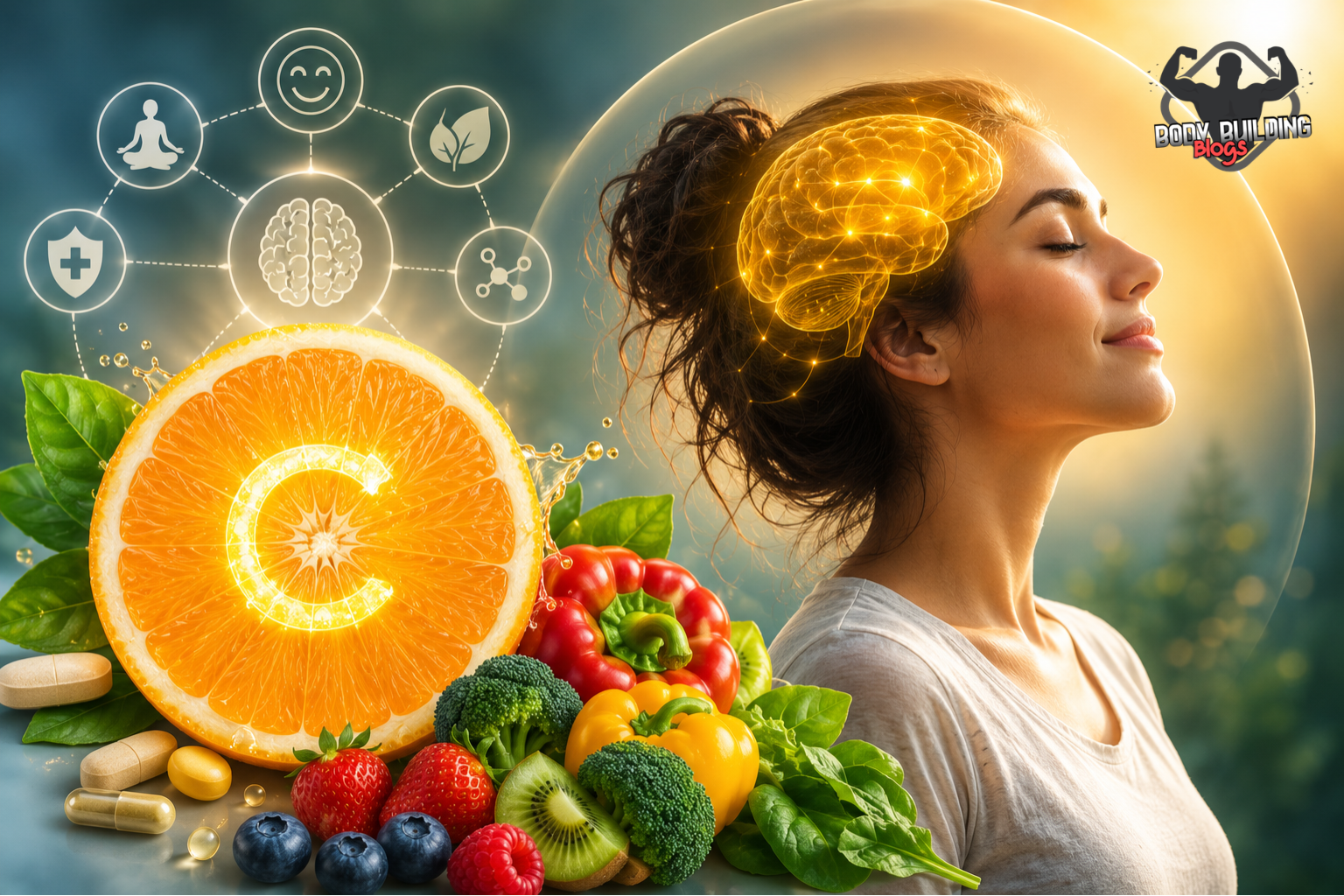
When you think of vitamin C you probably think of orange juice, immune system help and fighting off the common cold. Rarely is this powerful nutrient associated with anxiety, depression or brain fog. But new research reveals a fascinating connection: vitamin C is critical for mental health. This little vitamin is a dark horse for your mood and mind, from regulating neurotransmitters to protecting your brain cells from oxidative stress.
In this guide, we’ll discuss the best evidence-based methods for using vitamin C to support mental health. If you’re low on energy, struggle with seasonal mood dips, or just have some stress in your everyday life, you’ll find practical ways to put this nutrient to work—without falling for common myths.
What is the subject
This blog is about vitamin C (ascorbic acid) and mental well-being. Vitamin C is a water-soluble vitamin, an essential antioxidant and the human body is not able to produce it by itself. Most people know it helps with collagen synthesis and immunity, but it’s just as important in the brain.
“Vitamin C is found in high concentrations in the brain, especially in the neurons and the adrenal glands. It’s part of the process of synthesizing important neurotransmitters, like serotonin (the “feel good” chemical), dopamine (motivation and reward), and norepinephrine (alertness and energy). Vitamin C protects the brain from oxidative damage, reduces inflammation and supports the adrenal glands during stress responses. In short, maintaining high vitamin C levels is not only a health issue but also a matter of your mood, mental clarity and stress management, making it an important part of nutrition for mental health.”
Significance of the Question
Almost one billion people worldwide are affected by mental health disorders. The rates of anxiety and depression have skyrocketed in recent years. Nutritional psychiatry is an increasingly popular complementary approach that can be necessary for many in addition to therapy and medication. Low levels of key nutrients, such as vitamin C, can mimic or exacerbate symptoms of mental illness.
Vitamin C levels in the blood, when low, are linked to higher chances of being fatigued, depressed and confused. Vitamin C supplementation in hospitalized patients has been shown to improve mood and decrease anxiety. Even subclinical deficiency (not low enough to cause scurvy) may cause irritability, low motivation and mental fatigue.
Vitamin C also is rapidly depleted by chronic stress. When you’re stressed your adrenal glands release cortisol and adrenaline and these processes use up a lot of vitamin C. If you don’t get enough of it, you’re in a vicious cycle: stress lowers vitamin C, which impairs stress response, which leads to more perceived stress. Using targeted vitamin C to break this cycle can be a game-changer for your mental resilience.
How to Do It Step by Step
Here are five ways you can use vitamin C to support your mental health:
Step 1: Evaluate your current usage
Keep a food diary of your vitamin C intake over 3–5 days. The recommended daily allowance (RDA) is 90 milligrams for men and 75 milligrams for women, but many experts recommend 200 to 500 milligrams a day for mental health benefits. If you do not eat fruits and vegetables (especially citrus, berries, bell peppers, kiwi, or broccoli) very often you may be deficient.
Step 2: Select Whole Food Sources First
Optimize your diet before reaching for supplements. Whole foods have bioflavonoids and co-nutrients to aid absorption and activity.
Goal:
- One medium orange (70 mg)
- 1 cup strawberries (85 mg)
- Half a red bell pepper (95mg)
- 1 kiwi (64mg)
- 1 cup cooked broccoli (50 mg)
Every morning, try a “rainbow smoothie”: spinach (30 mg), frozen berries (50 mg) and half an orange (35 mg). That’s more than 100 mg before lunch alone.
Step 3: Select the Right Supplement (If Needed)
If diet is not enough supplementation works. Search for:
- Vitamin C (liposomal, best absorption for brain tissue)
- Sodium Ascorbate or Calcium Ascorbate (easy on the stomach)
- C + Bioflavonoids Buffered
Dosage:
500-1000 mg per day, divided into two doses (morning and afternoon) to maintain consistent blood levels. Do not mega-dose (2000 mg+). Excess causes digestive upset.
Step 4: Get Your Intake Timing Right
Vitamin C – Take with food to minimize stomach sensitivity and to aid absorption. For mental health benefits, morning dosing is best, as vitamin C helps your cortisol rhythm and energy for the day.
If you take high dose Vitamin C, split it. Morning and early afternoon (not late evening, as it can be mildly stimulating for some people).
Step 5: Include Stress-Reduction Practices
Vitamin C works synergistically with other stress management tools. Mix your morning vitamin C with:
- 10-minute Deep Breathing or Meditation
- A short walk outside (vitamin C reduces exercise-induced oxidative stress)
- Hydration (Vitamin C is carried in water)
This combination helps to augment the calming effect on the HPA axis (hypothalamic-pituitary-adrenal axis).
Frequent Errors
Mistake #1: Taking vitamin C only when you’re sick
Vitamin C is often considered an immune booster for emergencies. Mental health requires consistency. Your brain needs a steady supply every day. Missing days cause neurotransmitter synthesis to fluctuate. This is one of the top nutritional mistakes people make when trying to support mental wellness naturally.
Mistake 2: Taking plain ascorbic acid of inferior grade on an empty stomach
Large doses of plain ascorbic acid may cause heartburn, nausea or diarrhea. This discomfort can create negative associations and make you want to quit. If you have a sensitive stomach, always choose buffered or liposomal forms.
Mistake #3 – Thinking More is Better
There are no extra mental health benefits to megadosing (2000 mg+ daily) beyond 500–1000 mg. Excess vitamin C is excreted in the urine. Very high doses can cause kidney stones in susceptible individuals or worsen iron overload. Stay within the therapeutic range.
Mistake 4: Ignoring Other Important Nutrients for Mental Health
Vitamin C is a powerful ally, but it’s not a magic bullet. Mood problems can also be caused by a lack of B12, vitamin D, magnesium or omega-3s. Don’t think that you can fix everything with vitamin C and ignore a poor diet or other deficiencies.
Mistake 5: Giving Up Too Soon
The mental health effects of vitamin C aren’t like the caffeine hit; they’re subtle and cumulative. You may notice less brain fog and better energy within a week. Mood stability and reduced anxiety often take 2-4 weeks of consistent use. Take your time.
Tips from the Pros
Pair with Iron-Rich Foods
Vitamin C greatly enhances the absorption of iron from plant sources (spinach, lentils). Iron deficiency is a common hidden cause of fatigue and low mood, so this combo is a double win.
Go for Liposomal Vitamin C When You’re Stressed
During exam weeks, breakups, or work crunches, liposomal C (encased in fat particles) gets across into the brain more efficiently. More expensive, but worth it for acute mental health support.
Smokers and Vapers Need Double
Each puff of smoke or vapor causes oxidative stress, which burns up Vitamin C super quickly. If you use nicotine, aim for 250-500 mg more than non-smokers.
Don’t Overcook Your Vegetables
Vitamin C is heat sensitive. Do not boil the broccoli or peppers, but lightly steam. Better yet, add raw sources like bell pepper strips or citrus fruits daily.
Track Your Mood
For two weeks before starting vitamin C and for two weeks after you’ve been taking it consistently, maintain a simple 1-10 mood and energy log. You’ll see objective evidence of change that helps with motivation.
FAQs
Q. Can I replace my antidepressant or anti-anxiety medication with vitamin C?
Q: No. Vitamin C is a supportive nutrient, not a substitute for psychiatric medications that have been prescribed. Never stop taking or change medication without consulting your doctor. Another tool in the box is vitamin C.
Q: How soon will vitamin C make me feel better?
A: Some studies have shown improvements in fatigue and mental clarity within a week. Generally, if you were deficient, it generally takes about 4-6 weeks of consistent supplementation to see sustained reduction of anxiety or depressive symptoms.
Q: What are the side effects of vitamin C for mental health?
A: Side effects are rare at doses below 1000 mg. Higher doses can cause mild digestive upsets, diarrhoea or nausea. Buffered and liposomal forms reduce this. If you have a history of kidney stones or hemochromatosis (iron overload), consult your doctor before supplementing.
Q: Can kids take vitamin C to help with mood or anxiety?
A: Yes, children can get benefits, but the dose is lower.
- 25–50 mg (ages 4–8)
- 50–100 mg (ages 9–13)
- Teens, up to 500 mg
Always see a pediatrician first. Focus on food sources like oranges, kiwi, and strawberries.
Q. Do you get vitamin C from food or supplements?
A. Food is always better because of the added phytonutrients and the lower risk of overdose. However if you have malabsorption issues, a very restricted diet or high stress, supplements are effective. The best approach is a combined one – food first, supplement second.
Summary
Vitamin C is not only an immune booster, it’s an essential nutrient for a resilient, happy mind. This vitamin has an unsung role in mental health, from the synthesis of neurotransmitters that regulate mood to protecting brain cells from oxidative stress, and supporting the adrenal glands during tough times. Along with following a perfect meal plan for muscle gain, maintaining proper vitamin C intake can also support overall mental clarity, recovery, and emotional balance.
Vitamin C for Mental Health: Simple Ways to Use It
- Focus on whole foods such as berries and bell peppers
- Use supplements wisely, go for buffered or liposomal vitamin C, and take 500 – 1000 mg per day
- Take vitamin C in the morning, so you can remember to take it
- Avoid common mistakes like megadosing or expecting miracles overnight
Combine this with good sleep, hydration and stress management and you have a powerful, natural tool for mental clarity and emotional balance.

