


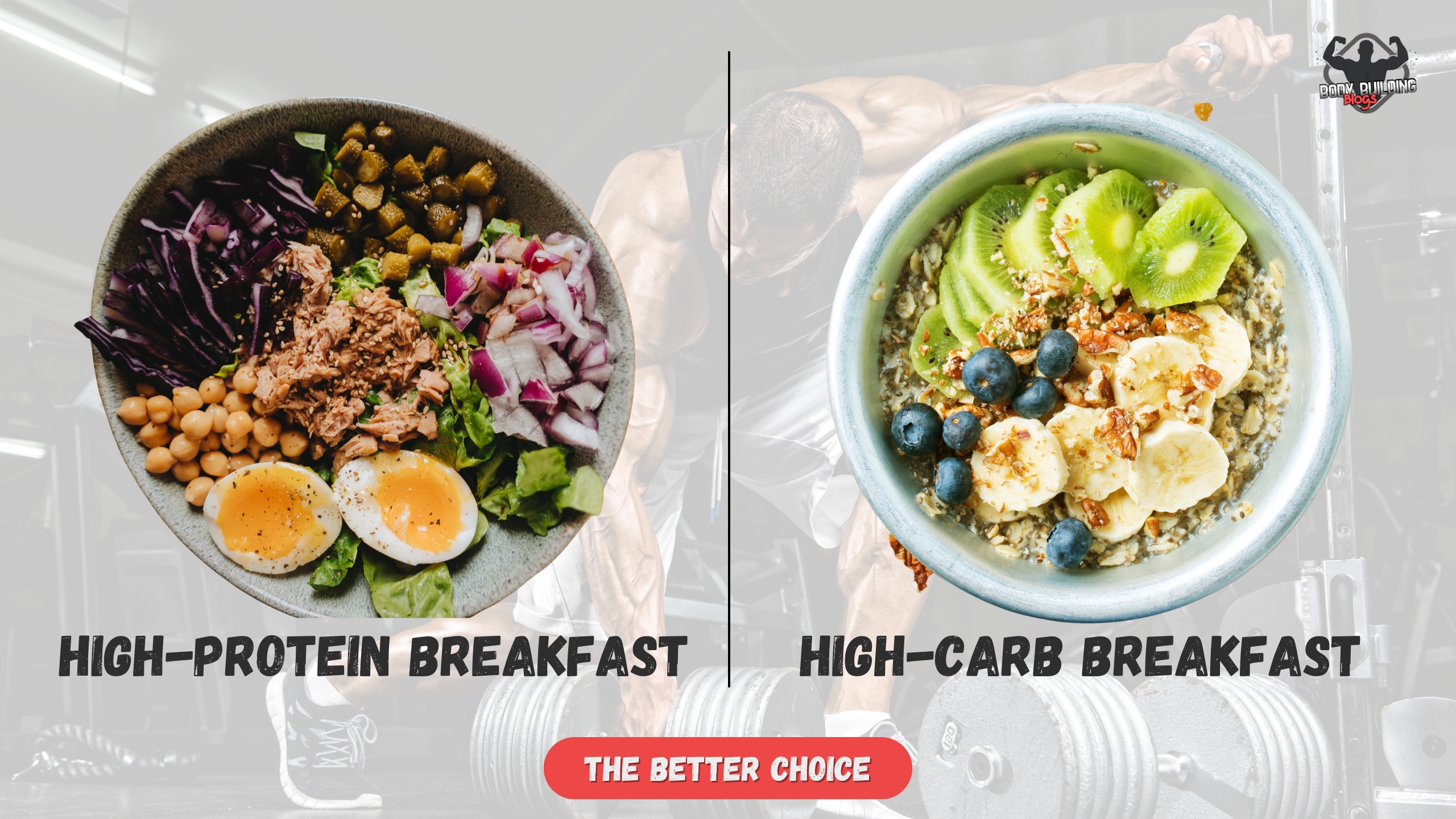
It’s common knowledge that “breakfast is the most important meal of the day.” The focus of today’s health-conscious society is not whether breakfast is necessary, but rather what breakfast is best for your body. For your high-protein breakfast, should you have eggs, Greek yogurt, or protein shakes? Or limit yourself to a high-carb breakfast, such as cereal, toast, or oatmeal?
Both offer advantages, but which option is best for you will rely on your metabolism, lifestyle, and health objectives. To help you make the best choice for your daily routine, we’ll examine the benefits and drawbacks of high-protein vs. high-carb breakfasts, as well as how they impact energy, weight management, and performance.
Breakfast’s Significance
The rest of your day is shaped by breakfast. After an overnight fast, it gives your body the nutrients it needs, boosts metabolism, and replenishes glucose levels. Sometimes skipping breakfast results in afternoon sluggishness, poor concentration, or overeating, making it harder to stay healthy and fit.
Breakfasts, however, are not all made equal. Protein, carbohydrates, and fats make up the macronutrient composition, which affects how your body feels and works. This clarifies the importance of the high-protein vs. high-carb controversy.
A high-protein breakfast: what is it?
Protein is the main source of nutrients; at least 20 to 30 grams of protein are usually included in a high-protein breakfast.
Typical Illustrations:
- Eggs scrambled with spinach
- Nuts and seeds in Greek yogurt
- Smoothies or protein shakes
- Berries and cottage cheese
- Vegan tofu scramble
Principal Advantages of High-Protein Breakfasts:
- Keeps You Fuller Longer: Because protein digests more slowly than carbs, it reduces hunger and keeps you from reaching for midmorning snacks.
- Encourages Muscle Growth: This is crucial for athletes and gym-goers who want to maintain lean muscle mass.
- Blood Sugar Control: Protein keeps blood sugar levels steady, preventing energy spikes.
- Enhances Metabolism: Due to its greater thermic effect, protein takes more energy to digest than carbs.
Fun Fact: Research indicates that eating a high-protein breakfast can help you consume fewer calories throughout the day.
A High-Carb Breakfast: What Is It?
A high-carb breakfast focuses on foods that are high in carbohydrates, which give you energy quickly throughout the day.
Typical Examples:
- Fruit and oatmeal
- Jam on wholegrain toast
- Waffles or pancakes?
- Milk and cereal
- Bowls of granola and banana smoothies
Principal Advantages of High-Carb Breakfasts:
- Fast Energy Boost: Since the body uses carbohydrates as its main energy source, they are ideal for the morning.
- Enhances Mood and Focus: Serotonin, which is produced when carbohydrates are consumed, has the ability to improve mood and focus.
- Excellent for Active Lives: Athletes and those with physically demanding jobs benefit from breakfasts high in carbohydrates.
- When whole grains are added, it provides fiber. Quinoa and oats are high-fiber carbohydrates that promote heart health and digestion.
Fun Fact: While refined carbohydrates, like white bread, frequently result in sugar crashes, whole carbohydrates, like quinoa and oats, offer consistent energy.
Nutritional Disparities Between High-Protein and High-Carbohydrate Elements
| Aspect | High-Protein Breakfast | High-Carb Breakfast |
|---|---|---|
| Satiety Fullness | Diets high in protein and carbohydrates may increase hunger but delay feelings of fullness. | May increase hunger but delay feelings of fullness. |
| Levels of Energy | Constant, consistent energy | Brief but transient energy spikes |
| Impact on Blood Sugar | Blood sugar levels may increase as a result of consuming refined carbohydrates. | Blood sugar levels may increase as a result of consuming refined carbohydrates. |
| Muscle Health | Encourages growth and repair | Offers little direct muscle support |
| Ideal For | Gaining muscle and losing weight | Quick fuel, athletes, and morning workouts |
Which Is Better for Losing Weight?
A high-protein breakfast is typically more advantageous if weight control is your main objective. It is often considered better for losing weight because protein helps you lose fat while preserving lean muscle mass, keeps you full, and suppresses cravings.
For instance, a bowl of sugary cereal is unlikely to satisfy your hunger as much as an omelet with avocado and vegetables.
It may be simpler to maintain a healthy diet, though, if you combine protein with complex carbohydrates (such as quinoa, oats, or whole-grain bread) to achieve a balance between energy and fullness.
Which Is Energy-Safer?
A high-carb breakfast could provide you with the short-term energy boost you require if you have an early workout or a long, active day planned.
For instance, because glycogen is the body’s preferred energy source during exercise, athletes frequently consume large amounts of carbohydrates prior to training.
Protein, on the other hand, is perfect for desk jobs or regular, long-term energy needs because it delivers steady energy without crashes or spikes.
Influence on Cognitive Capacities
Glucose, which comes from carbohydrates, is the main energy source for your brain. This implies that eating a breakfast high in carbohydrates may temporarily enhance memory and focus.
The issue is that consuming excessive amounts of refined carbohydrates, like those found in pastries or sugary cereals, can result in a sugar crash and spike that can impair cognitive function.
Generally speaking, a well-balanced breakfast that contains both protein and healthy carbs (like eggs with whole-grain toast) is the best for concentration and productivity.
The Pros and Cons of a High-Protein Breakfast
Benefits
- Increases sensations of fullness
- Promotes muscle growth
- Helps people lose weight.
- Maintains steady blood sugar levels.
Drawbacks
- May lack the stamina to exercise rapidly.
- Protein powders and lean meats can be costly.
- An overemphasis might overlook the importance of carbohydrates for energy and fiber.
Advantages and Disadvantages of a High-Carb Breakfast
Benefits
- Quick rise in energy
- Perfect for sportsmen and active individuals
- Can provide fiber if whole grains are chosen.
- Enhances mood and focus
Drawbacks
- Energy crashes might occur if it is improved.
- Less filling than protein-rich meals
- Can result in weight gain if portion sizes are not managed.
Finding a Balance in the Balanced Breakfast
Protein versus carbohydrates isn’t always the point of contention; rather, it’s about how to combine the two. A balanced breakfast that includes both complex carbs and protein often gives you the best of both worlds.
Breakfast Ideas That Are Balanced:
- Whole-grain toast with avocado and eggs
- Greek yogurt, oats, and berries
- Banana + Peanut Butter + Protein Smoothie
- Chia Seed and Almond Oatmeal
- Quinoa + Vegetables + Tofu Scramble
This technique gives you the quick fuel of carbs and the sustained energy of protein, making it the perfect formula for a truly balanced breakfast.
Which Should You Choose?
Which choice is best for you is determined by:
Goal:
- Weight loss → Emphasis on protein
- Exercise energy boost → High-carb concentration
- Combining both to achieve balanced health
Way of life:
- Desk work → Reduced refined carbs and increased protein
- Work that requires a lot of physical exertion → More carbohydrates with enough protein
Medical Conditions:
- Breakfasts that are low in refined carbohydrates and high in protein are beneficial for diabetics.
- Breakfasts high in carbohydrates and protein are beneficial for athletes and other physically active people.
Concluding remarks
Which is better, high-protein or high-carb breakfasts? The answer is that it depends on your goals, lifestyle, and physical characteristics.
Breakfasts high in protein are excellent for satiety, weight loss, and consistent energy.
Breakfasts high in carbohydrates are ideal for mental clarity, athletic performance, and rapid fuel.
However, who was the true victor? a well-balanced breakfast that includes both protein and nutritious carbohydrates.
There is ultimately no one-size-fits-all strategy. Try both approaches, observe how your body reacts, and select the one that helps you perform at your peak all day.

